
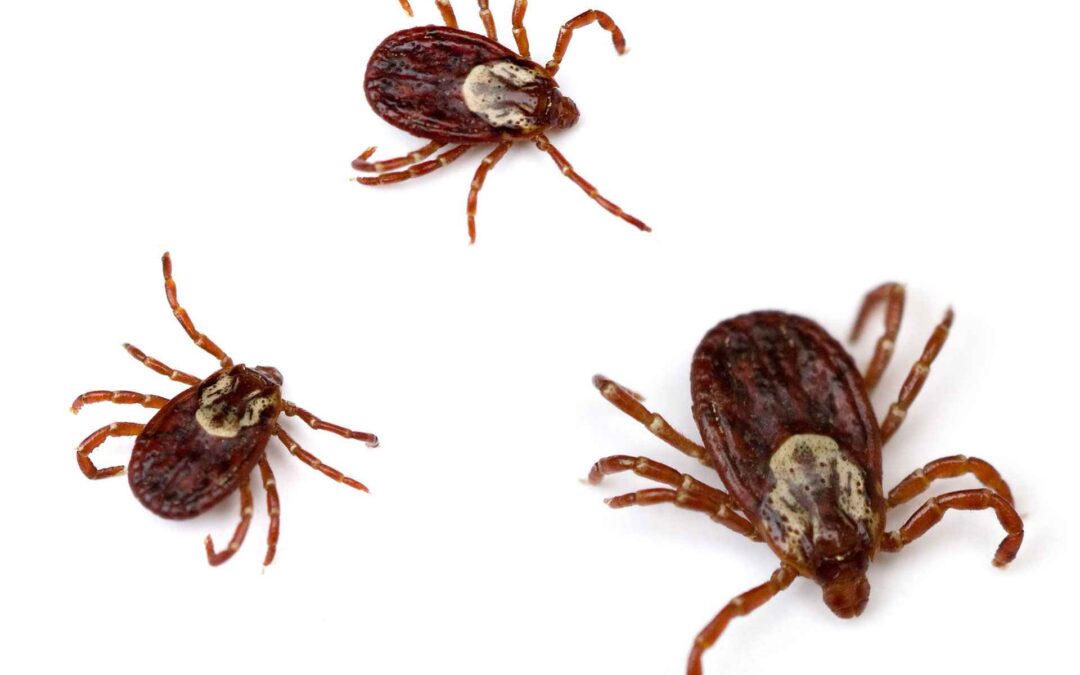
If you share your Midcoast Maine home with dogs or cats, you probably already know the drill: check your pet after every walk, look behind the ears, dig through the fur around the collar. But what many pet owners don’t realize is that their animals are doing more than just picking up ticks for themselves. They’re acting as a delivery service, carrying ticks from wooded trails and grassy fields directly into your living room — where those ticks can transfer to family members, and burrow into furniture.
The good news is that a few smart habits, combined with professional yard treatment, can dramatically reduce the chances of ticks making it inside in the first place.
Why Pets Are the Highest-Risk Factor for Tick Exposure
Deer and rodents get most of the attention as tick carriers, and deservedly so. But in a typical Midcoast Maine household, the family dog is often the most frequent tick transporter — simply because dogs move back and forth between tick habitat and your living space multiple times a day.
Nymph-stage ticks, which are active from late spring through summer, are particularly problematic. About the size of a poppy seed and nearly translucent, they’re extremely difficult to spot in pet fur. A tick that hitches a ride on your dog may never attach to the dog at all — it may simply fall off indoors and go looking for its next host, which could be you or your child.
Cats, especially those allowed outdoors, carry the same risk — and because cats groom themselves so thoroughly, you may never spot a tick before it’s had a chance to feed.
Three Habits That Make a Real Difference
1. Establish a tick-check routine at the door. After every outdoor outing, make a quick tick check part of your pet’s re-entry routine. For dogs, run your fingers slowly through the coat, paying close attention to the ears, around the collar, between the toes, and in the groin and armpit areas — ticks prefer warm, sheltered spots. A fine-toothed flea comb can help part the fur for a closer look. This takes about two minutes and can stop a tick before it attaches or drops off indoors.
2. Talk to your vet about tick prevention products. Veterinarian-recommended tick preventatives — topical treatments, oral medications, or tick collars — don’t just protect your pet. They reduce the likelihood that a tick will survive long enough to transfer to a family member. Ask your vet which option is the best fit for your pet’s lifestyle and health, and make sure you’re using it consistently from early spring through late fall.
3. Wash pet bedding regularly. If a tick drops off your dog or cat indoors, pet bedding is one of the most common places it ends up. Washing pet beds, blankets, and fabric toys weekly in hot water during tick season is a simple way to eliminate hitchhikers before they have a chance to find another host.
Treating Your Yard Reduces Ticks Before They Reach Your Pet
The single most effective thing you can do to protect your pets — and your family — is to reduce tick populations in your yard before ticks ever have a chance to encounter your animals.
Greener Grounds Tick Control uses a natural tick spray formulated with cedar oil, peppermint oil, and guava fruit extract. These ingredients are classified as minimum-risk under EPA guidelines (25b exempt), meaning they’re safe for people, pets, bees, butterflies, and other beneficial insects once dry — typically within about 45 minutes. Treatments are applied strategically to the areas where ticks actually live: along rock walls, at the edges of wooded areas, in leaf litter and brush piles, and around perennial garden beds.
Regular applications every four weeks through spring, summer, and fall keep tick populations low on your property, which means fewer ticks for your pet to pick up during their daily routine.
A Note on Indoor Tick Risks
If you do find a tick indoors, don’t panic — but don’t ignore it either. Use fine-tipped tweezers to remove any attached tick as quickly as possible, pulling steadily upward without twisting or crushing the body. Dispose of it by putting it in a sealed bag or container, or flushing it down the toilet. Never crush a tick with your fingers.
If a tick has been attached for more than 24–36 hours, contact your healthcare provider. In Midcoast Maine, where Lyme disease rates are among the highest in the country, early attention to tick bites is especially important.
Ready to Protect Your Pets and Your Home?
A yard treatment from Greener Grounds Tick Control is one of the best investments you can make for your pets’ health — and your own peace of mind. Our complimentary on-site consultation takes a close look at your property and your specific risk areas, and we’ll build a treatment plan that fits your needs.
Recent Comments